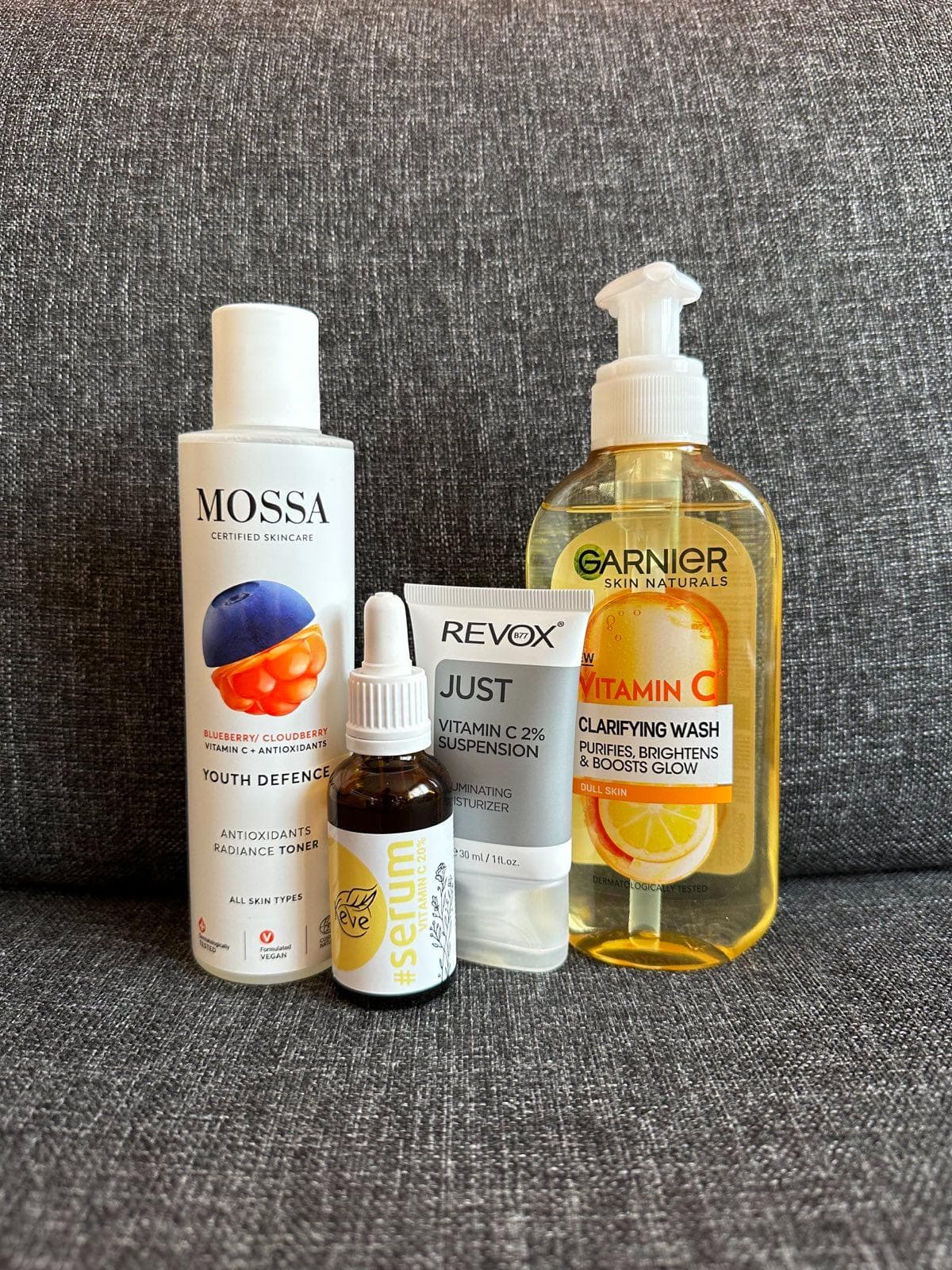
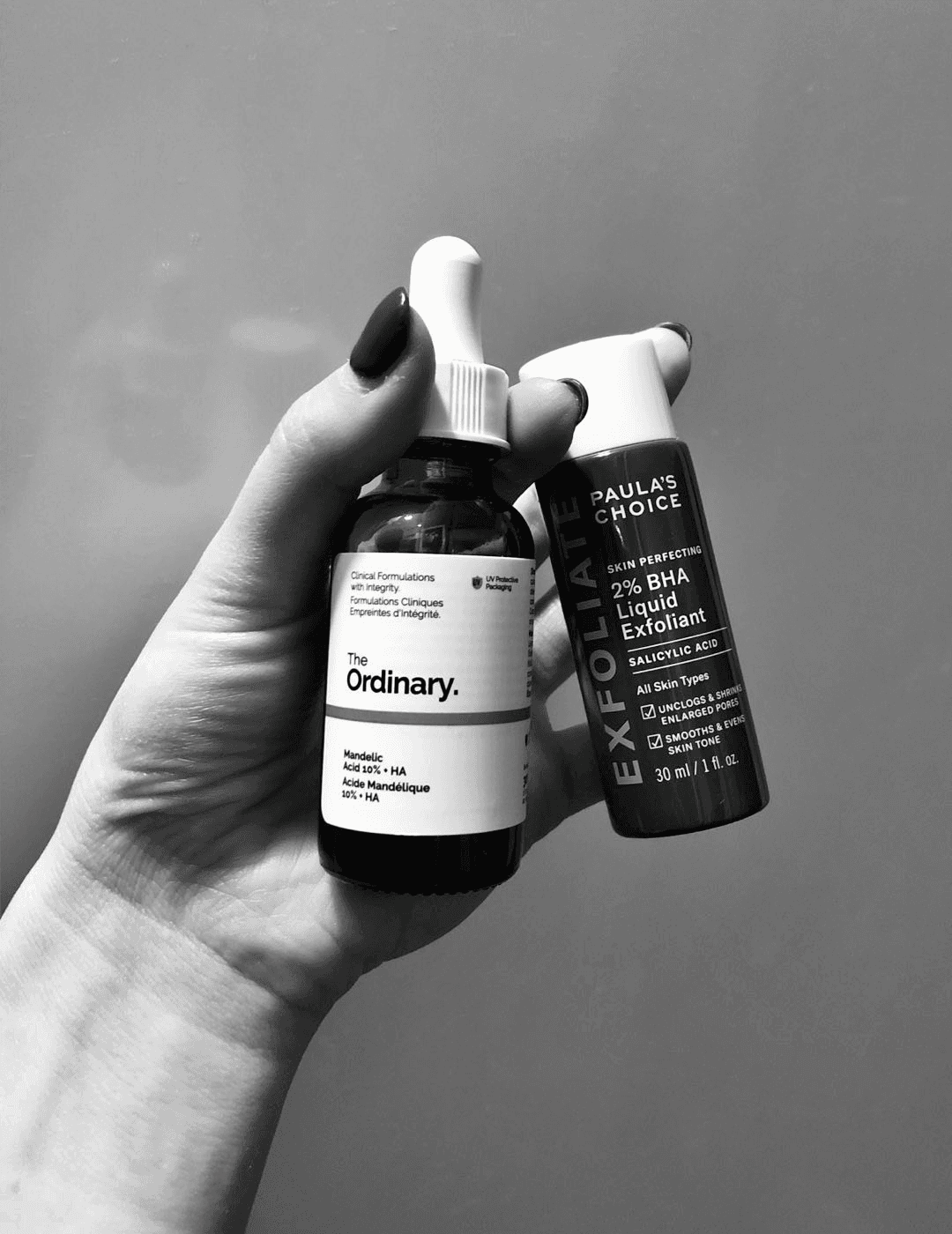
Combining Skincare Actives
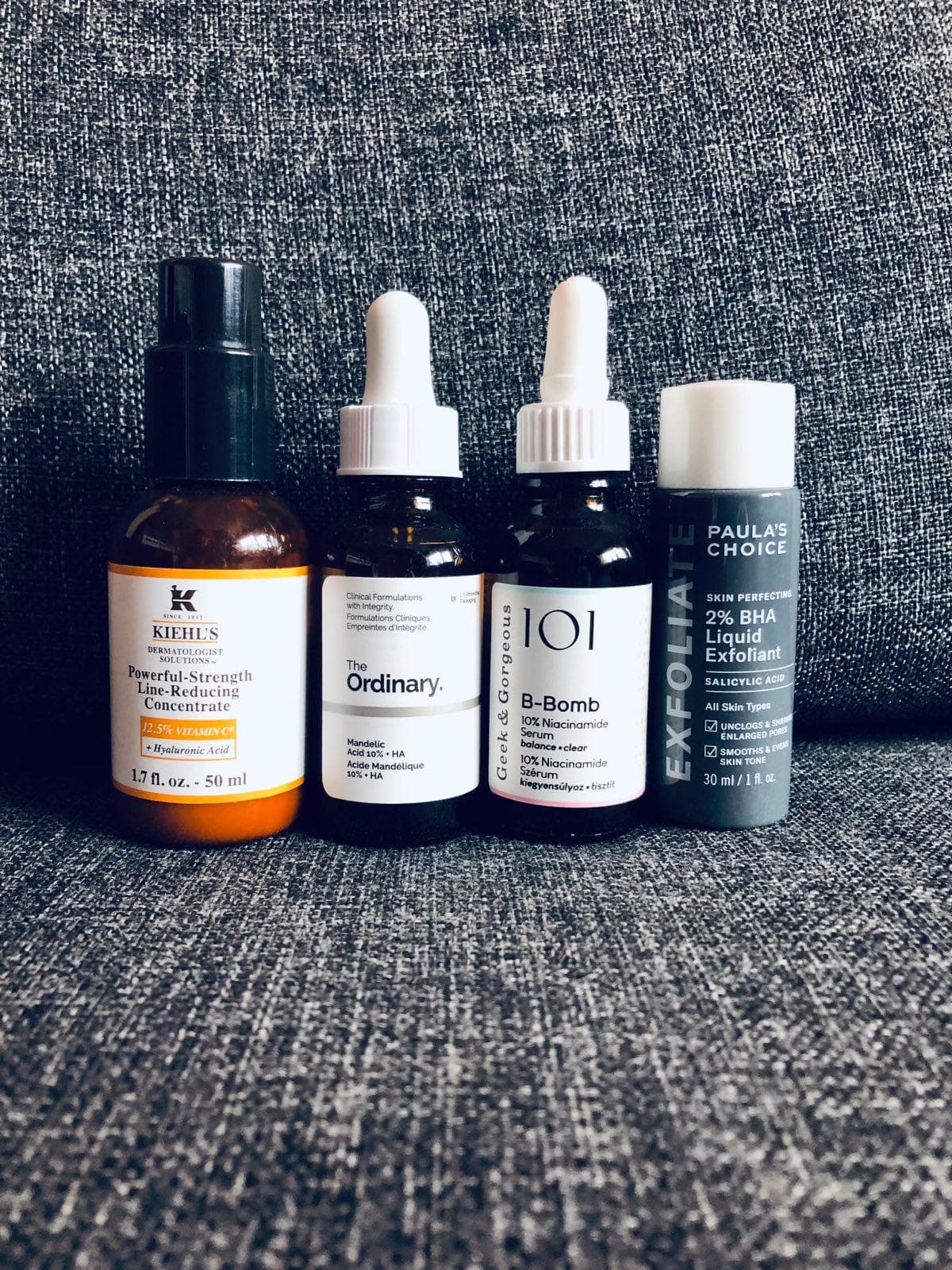 Zoom
ZoomBuilding an effective skincare routine requires knowing your skin type and the concerns you want to address. When using products with active ingredients, it's important to understand which ones play well together — and which pairings to avoid to prevent irritation.
What Are Actives?
There are three main categories:
- Chemical exfoliants (AHA, BHA, PHA acids)
- Antioxidants (vitamin C, vitamin E, niacinamide, retinol)
- Peptides (protein fragments made up of amino acids)
Power Pairs
Vitamin C + Vitamin E: Both provide antioxidant protection against UV damage. Vitamin C is especially effective at "fading spots" and boosting SPF protection.
Vitamin C + Hyaluronic Acid: Results in a radiant complexion and "with long-term use, can also reduce expression lines."
Vitamin C + Niacinamide: Previously considered controversial, but there's no scientific evidence supporting irritation from using them together.
Peptides + Retinol: Peptides "counteract retinol's drying and irritating effects," helping the skin maintain its hydration.
Hyaluronic Acid + Retinol: Hyaluronic acid balances retinol's drying effects — they complement each other well.
Niacinamide + Retinol: Niacinamide supports the skin barrier against the initial irritation that retinol can cause.
Antioxidants + Sunscreen: Antioxidants enhance UV protection and defense against "environmental aggressors" (sun exposure, blue light, air pollution).
Azelaic Acid + Retinol: Azelaic acid "fades spots" and reduces redness.
More Controversial Pairings
Vitamin C + Exfoliants: No scientific evidence of irritation, but it can occur with sensitive skin — worth monitoring.
Niacinamide + AHA Acids: While niacinamide can theoretically convert to niacin under specific conditions, "in a home environment this is virtually impossible."
Exfoliants + Retinol: Both accelerate cell turnover, so "their combined strength can cause skin irritation." It's best to alternate them.
Important Reminder
"Regardless of skin type, if your skin reacts badly to an introduced active, stop using it immediately." The skin needs 1–2 weeks to recover before trying again.
Share
About the author

Views
Disclaimer
Related posts